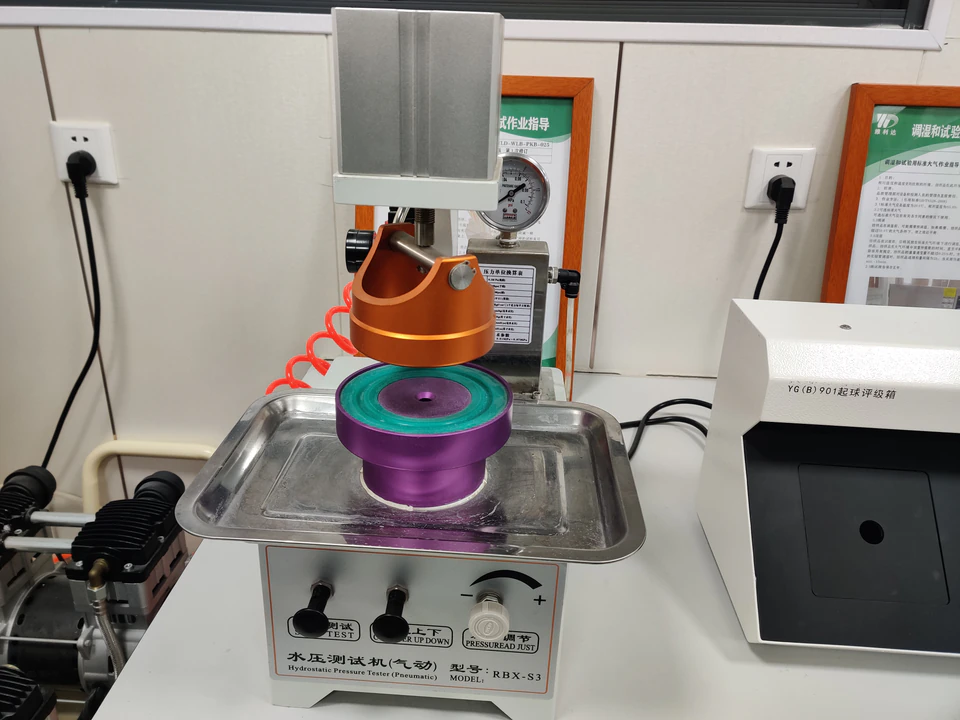
Material performance
Hydrostatic pressure
Water-pressure testing for material evaluation.

Manufacturing & capabilities
Explore the main factory, connected production and in-house testing behind YALIDA's apparel manufacturing and supply-chain model.
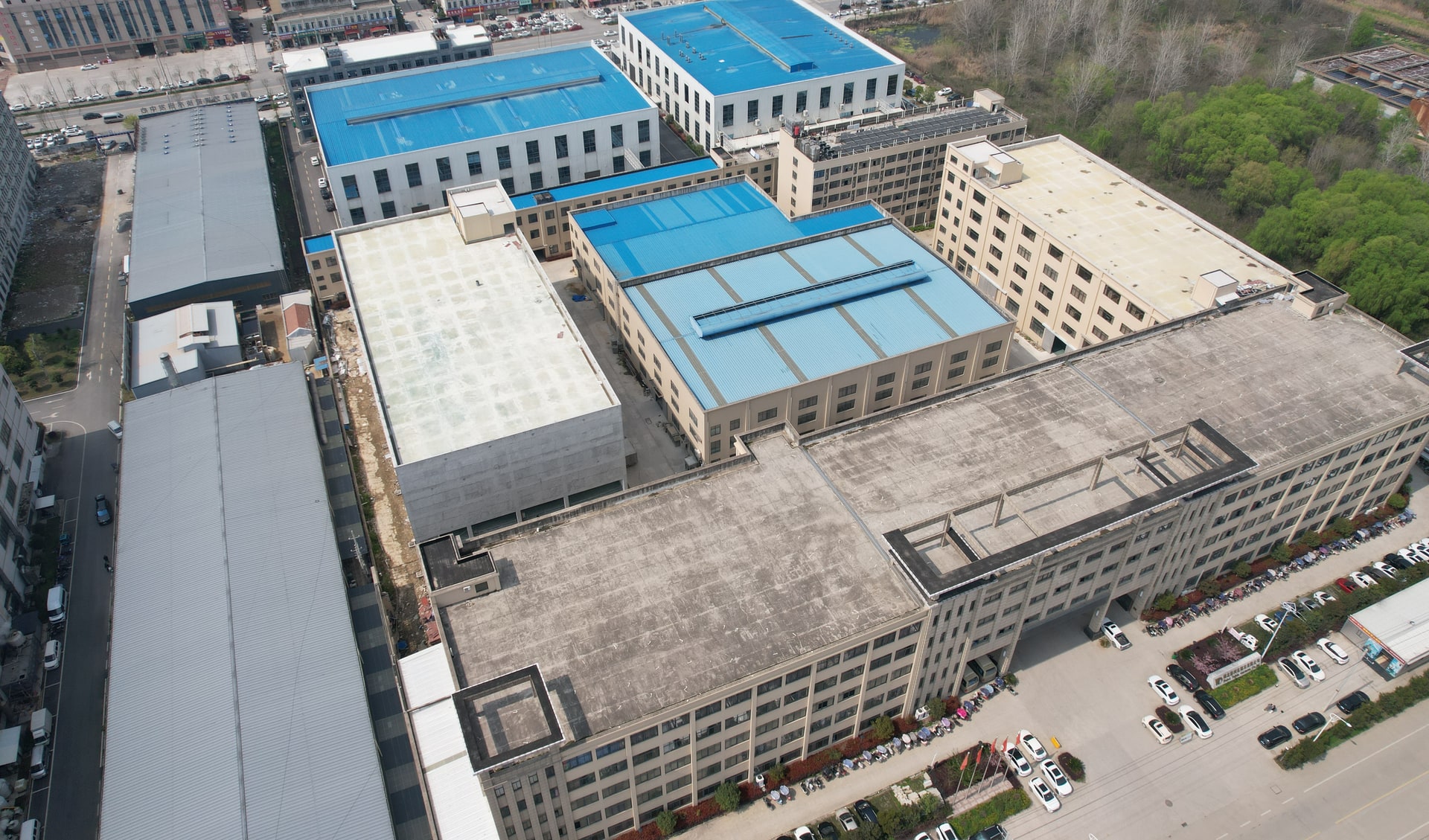
Main factory / scale
The Hubei Yalida main factory provides approximately 80,000 square meters of building area, 26 production lines and 24 smart hanging lines.
Factory scale and network capacity have different meanings. The main factory is supported by coordinated supply-chain resources.
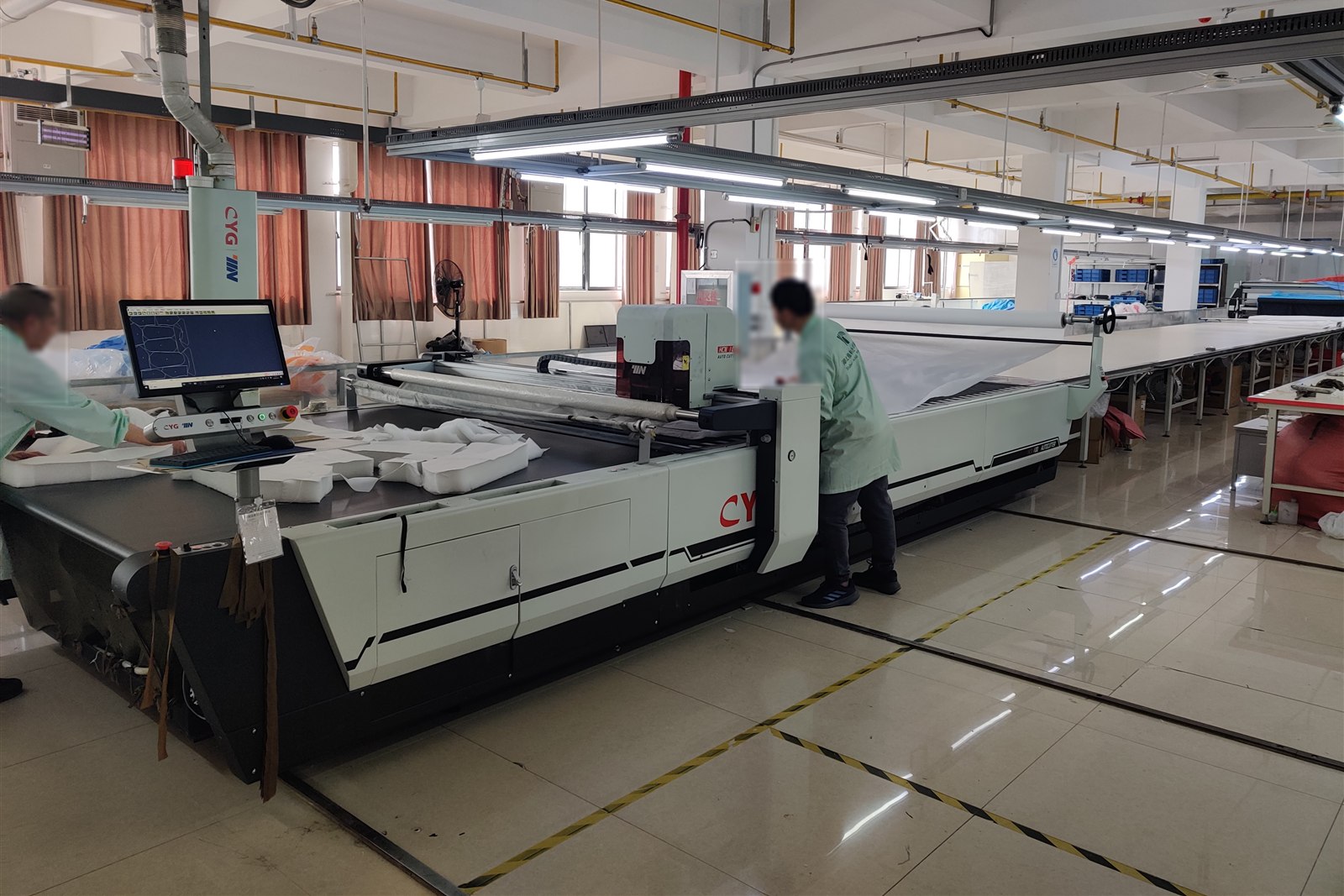
02 / Automatic cutting
Automatic cutting supports repeatable fabric preparation before garment assembly. Material and construction requirements inform the production route.
03 / Connected production
24 smart hanging lines support garment movement through production. MES is in use to support manufacturing coordination.
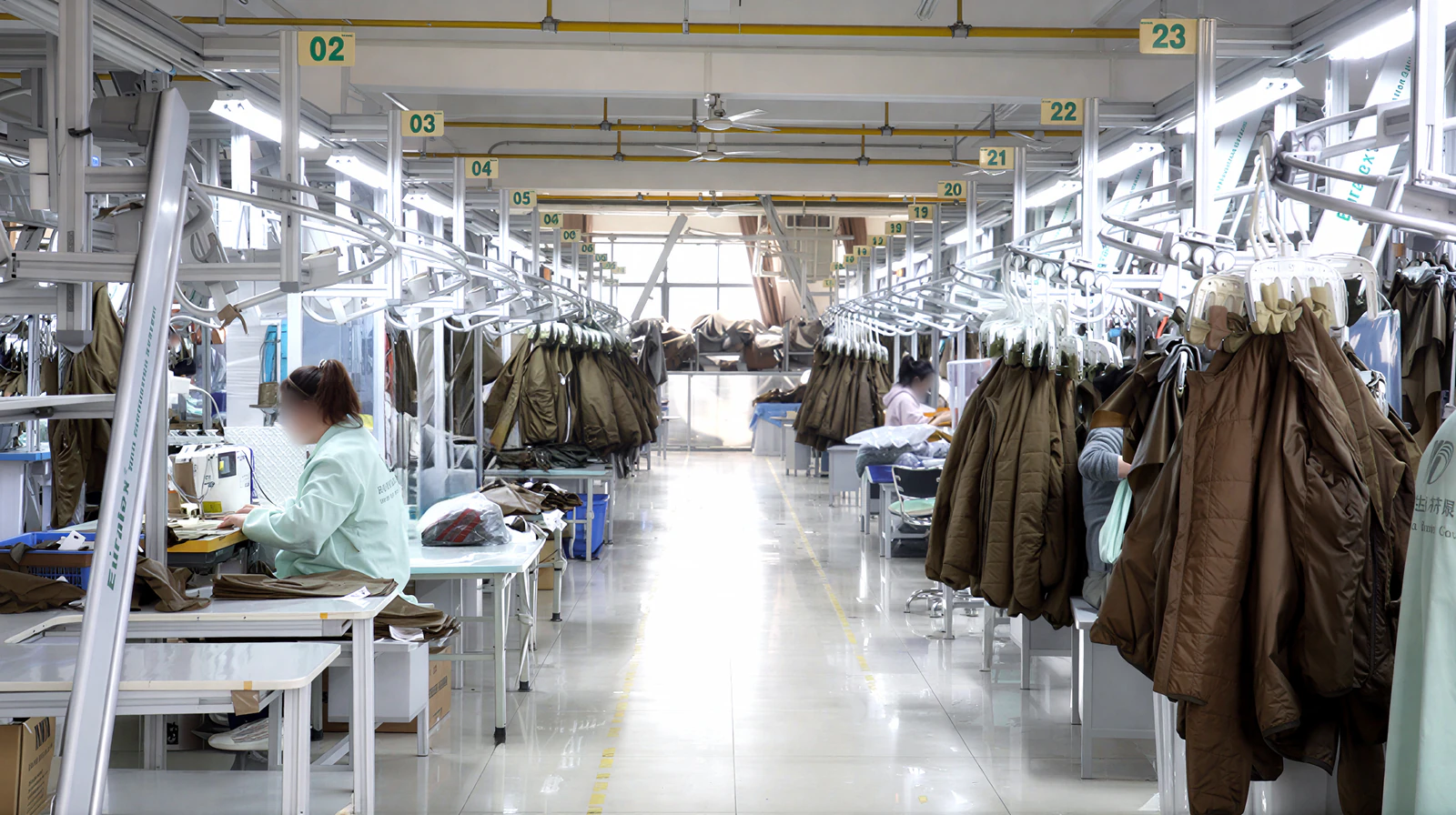
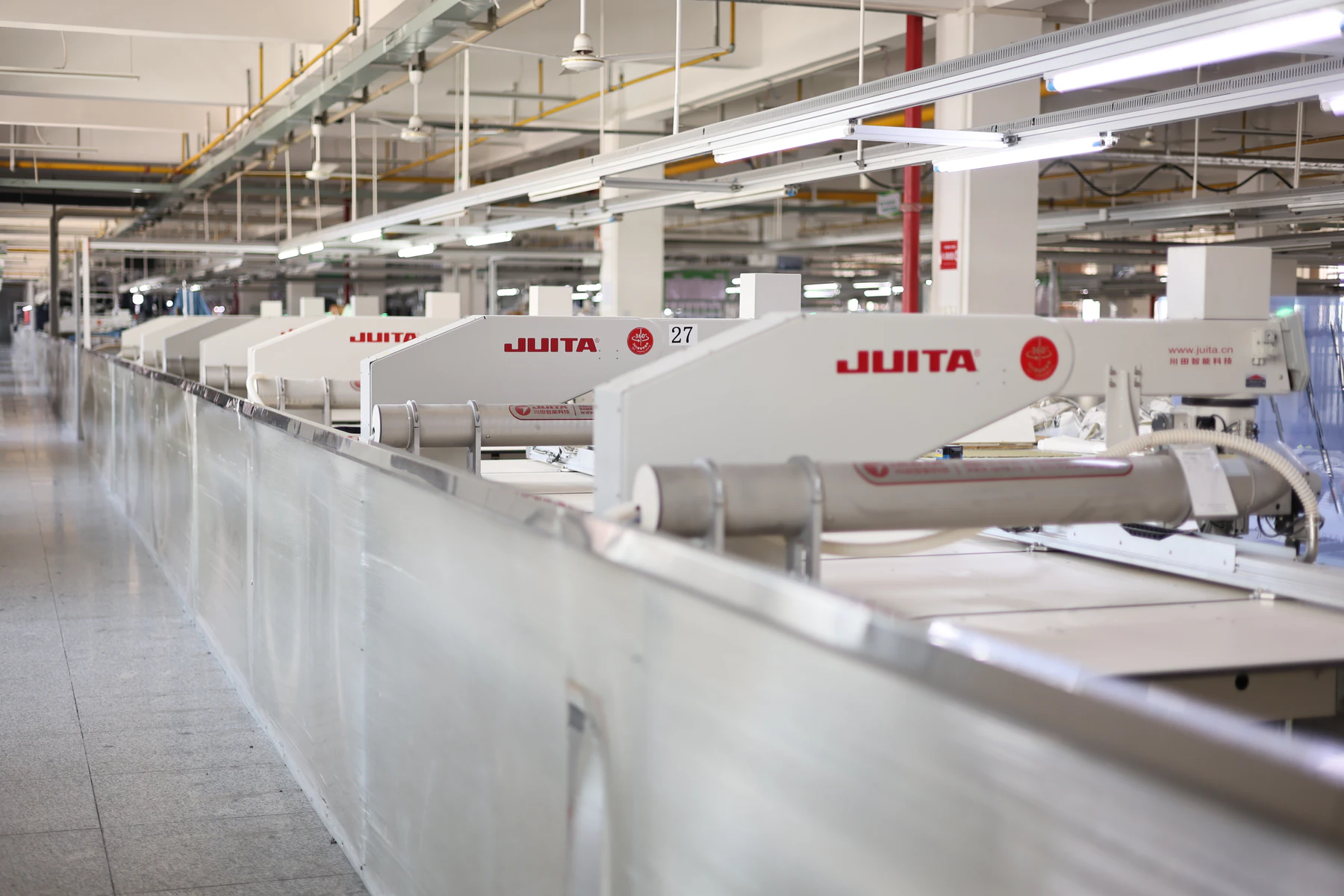
04 / Production environment
Specialized sewing equipment supports repeatable production processes within the broader manufacturing system. The production route is developed around the requirements of each apparel program.
YALIDA supports winter and down outerwear, padded and insulated outerwear, general outerwear and broader apparel manufacturing through its network.
In-house laboratory
Material and component testing supports product development, quality control and production decisions.
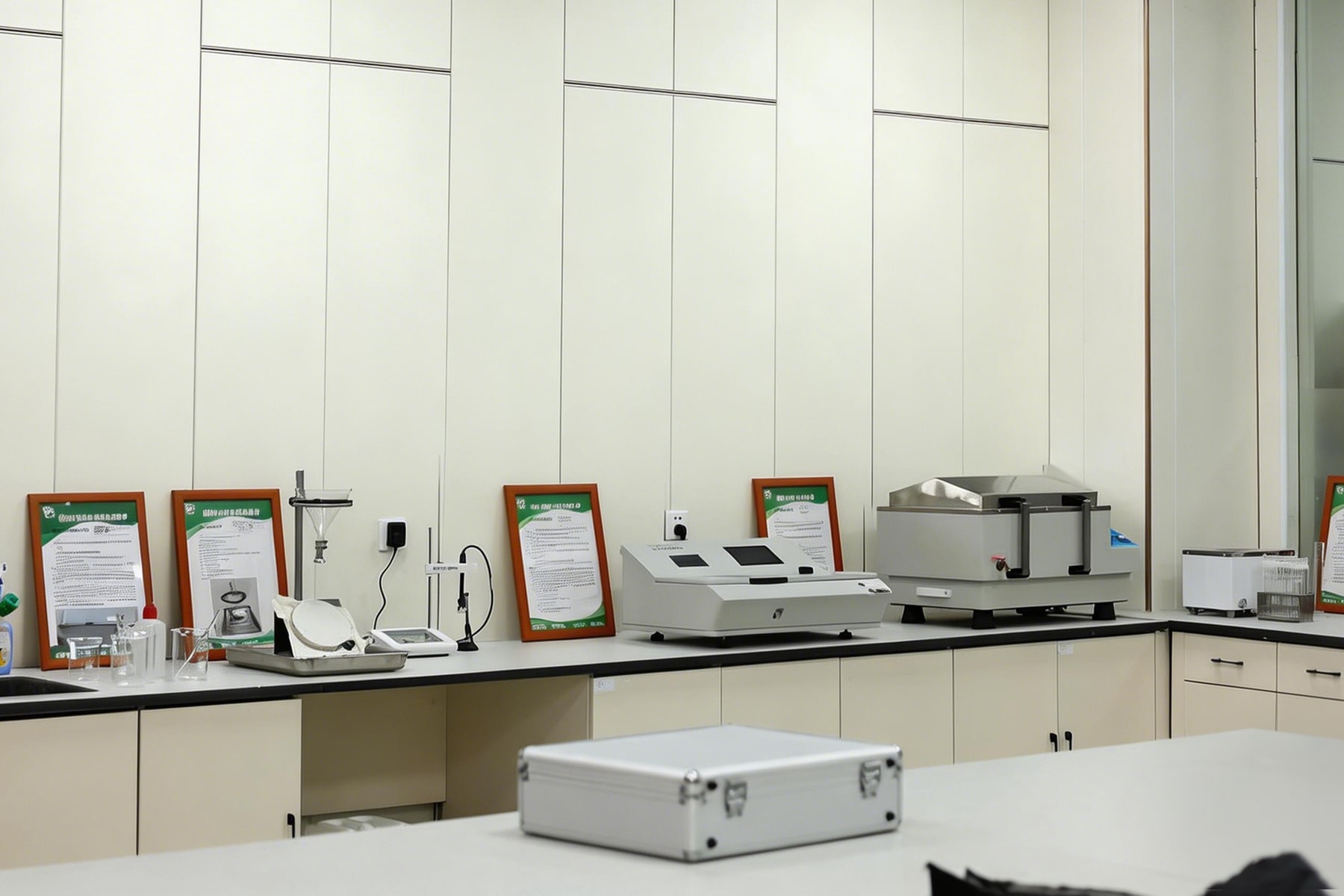
Material performance
Water-pressure testing for material evaluation.
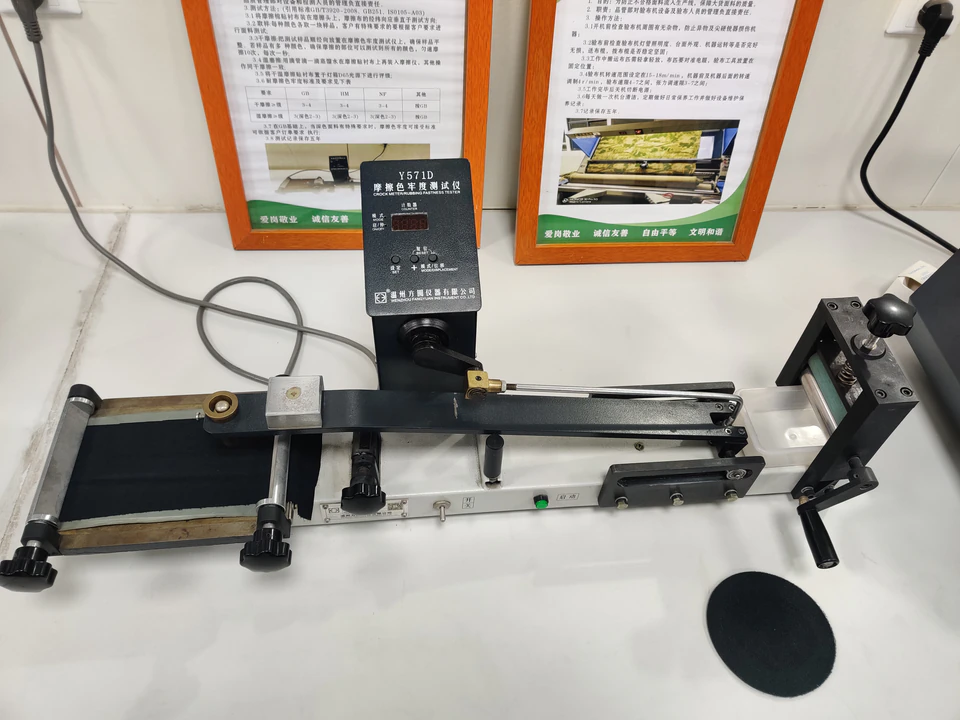
Color / fastness
Evaluate color transfer under rubbing.
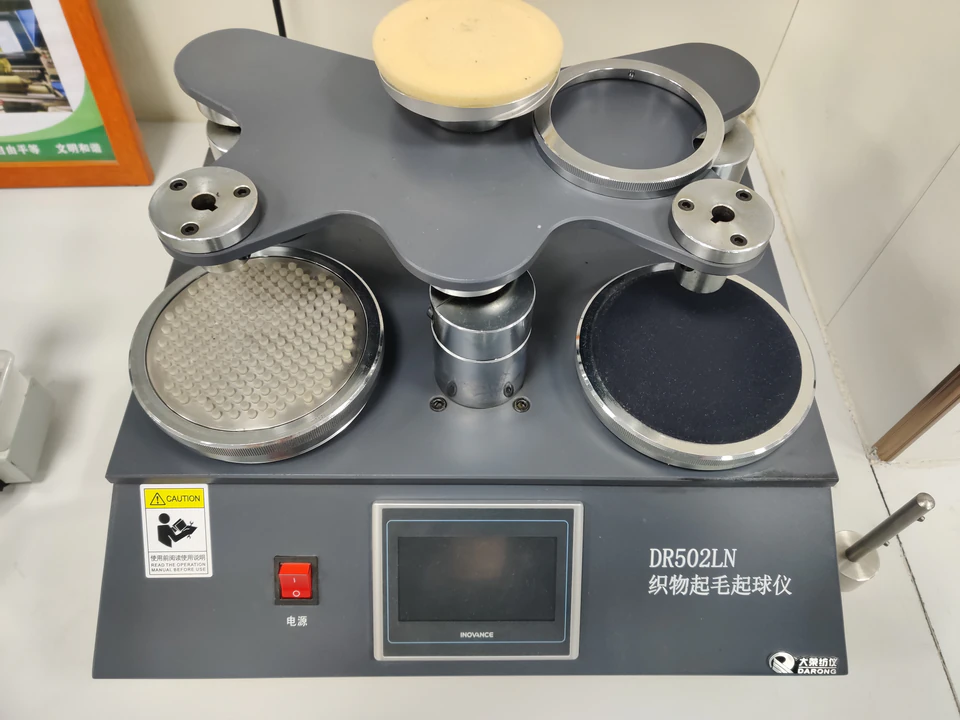
Surface performance
Evaluate fabric fuzzing and pilling.
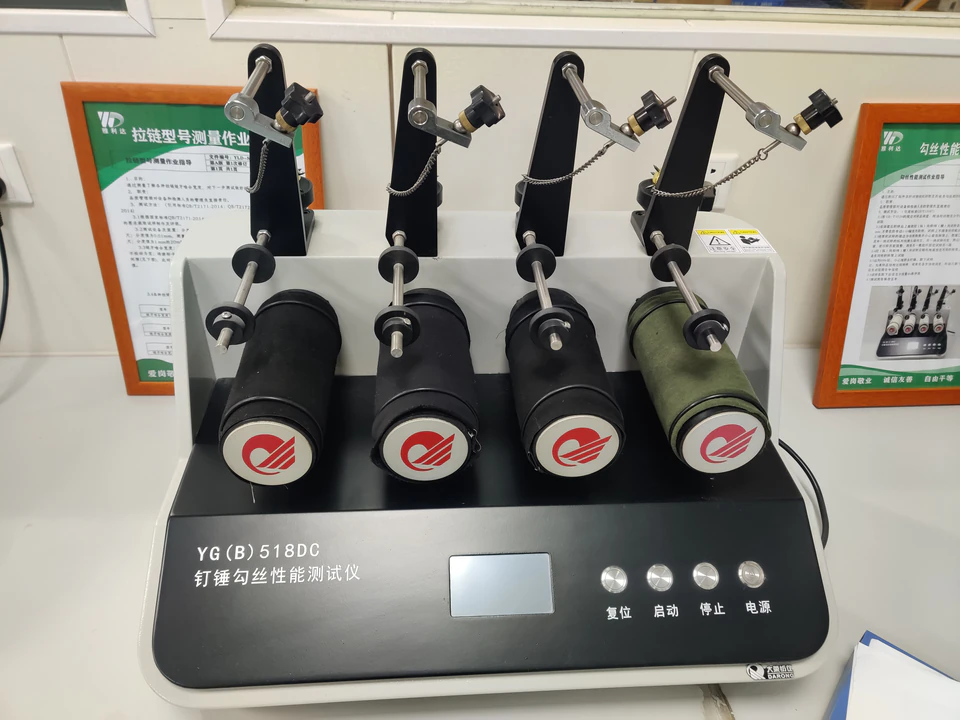
Surface performance
Assess the surface response to snagging.
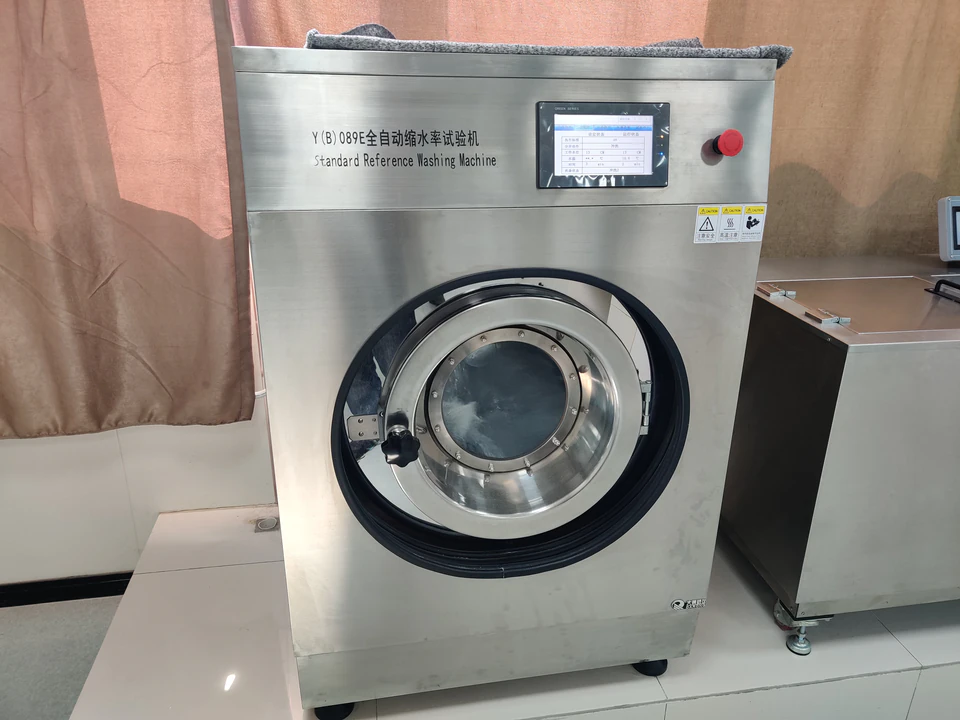
Washing performance
Reference washing supports shrinkage evaluation.
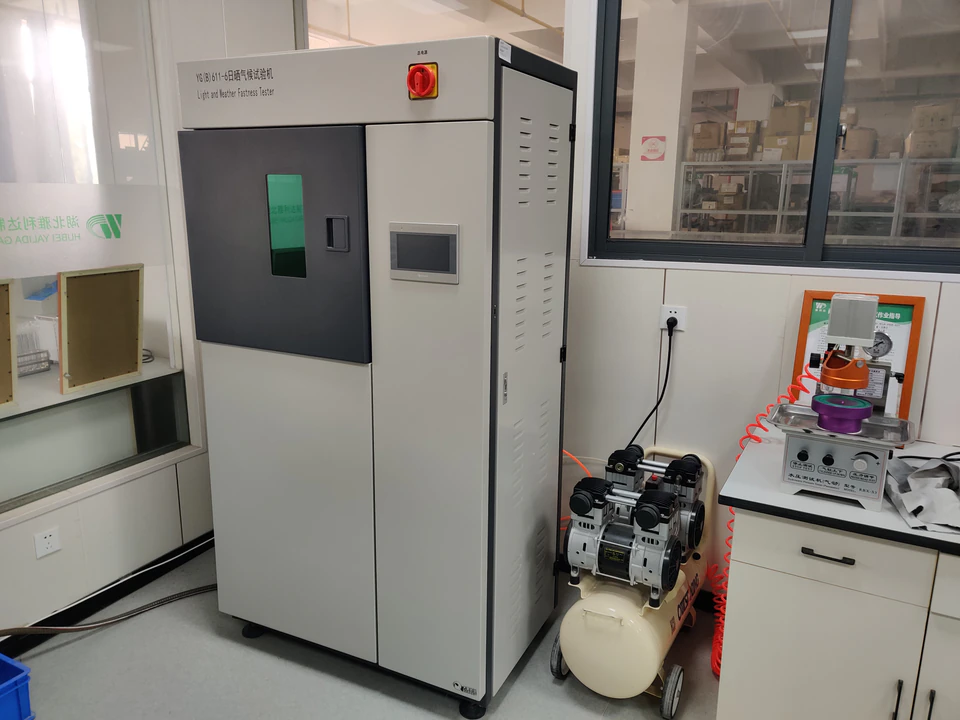
Color / fastness
Evaluate color fastness under light and weather exposure.
Material and component testing
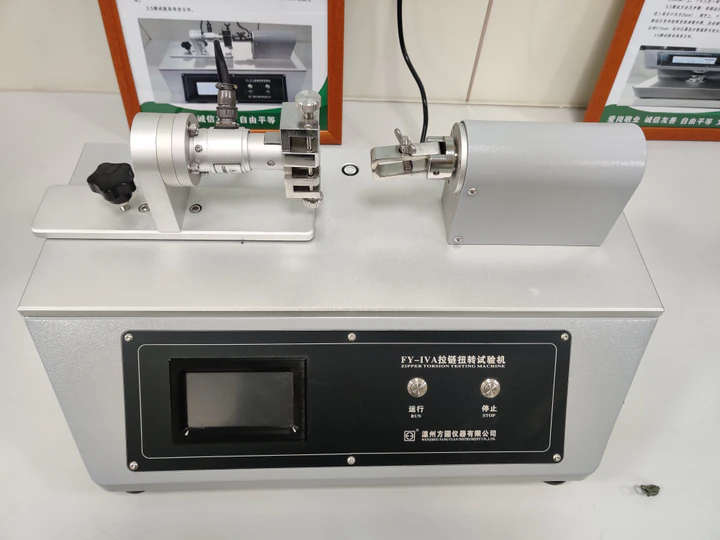
Trim / Component Performance
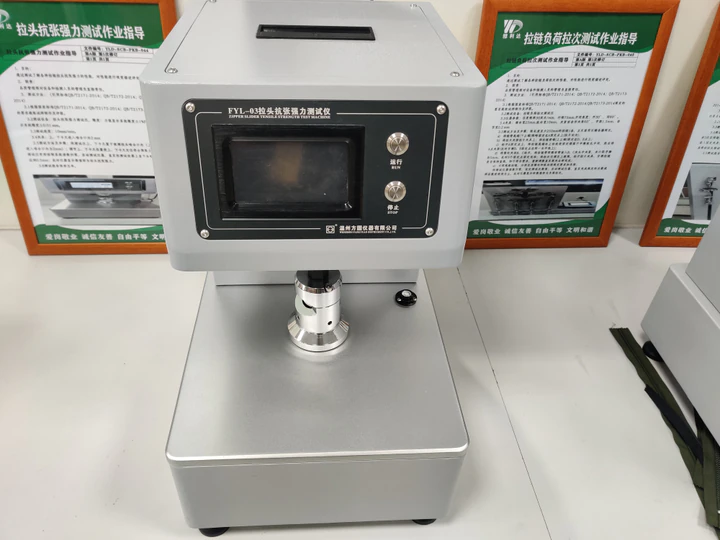
Trim / Component Performance
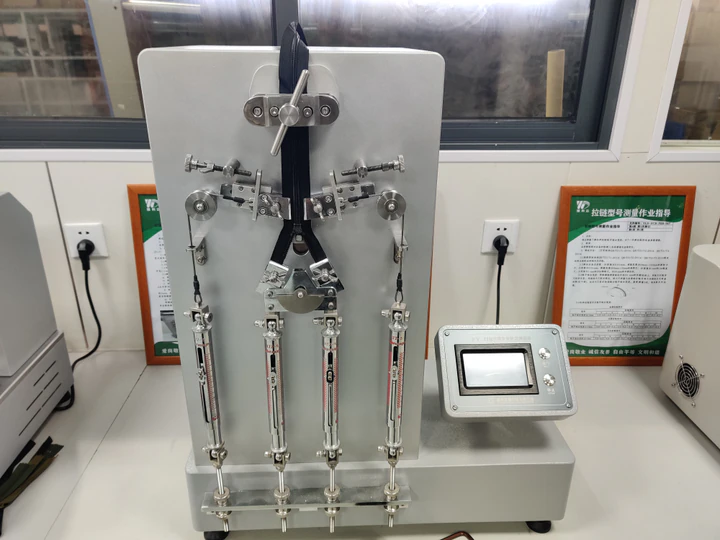
Trim / Component Performance
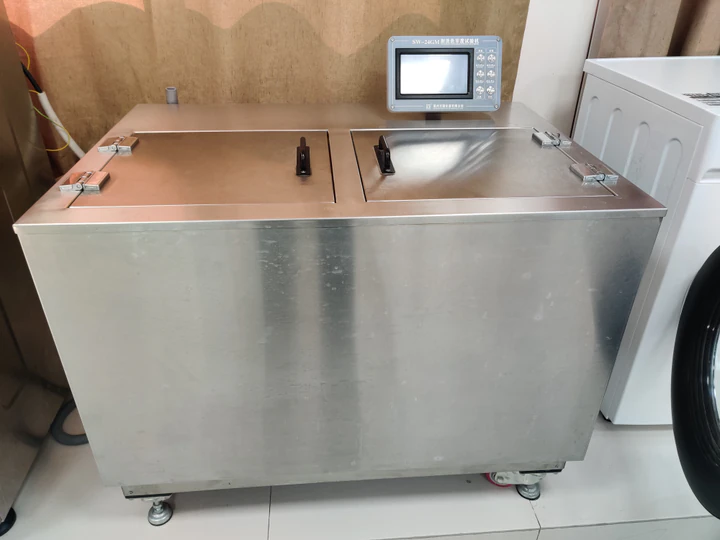
Color / Fastness
Hydrostatic pressure
Rubbing; light & weather fastness
Pilling resistance; snagging performance
Reference washing and dimensional evaluation
Testing is selected around the material, construction and buyer requirement. Laboratory evaluation and production inspection are distinct parts of quality control.
Quality control
Material inspection, laboratory testing, in-process checks and finished-goods inspection serve different purposes.
Review the material before it enters garment production.
Evaluate relevant material and component performance.
Check work during the production flow.
Review completed garments before packing and shipment preparation.
The laboratory images above show testing equipment, not finished-goods inspection.
Packing / shipment preparation
Final inspection, packing preparation and delivery coordination complete the manufacturing flow.
The warehouse view shows packed cartons and preparation space; it is not a record of an individual customer shipment.
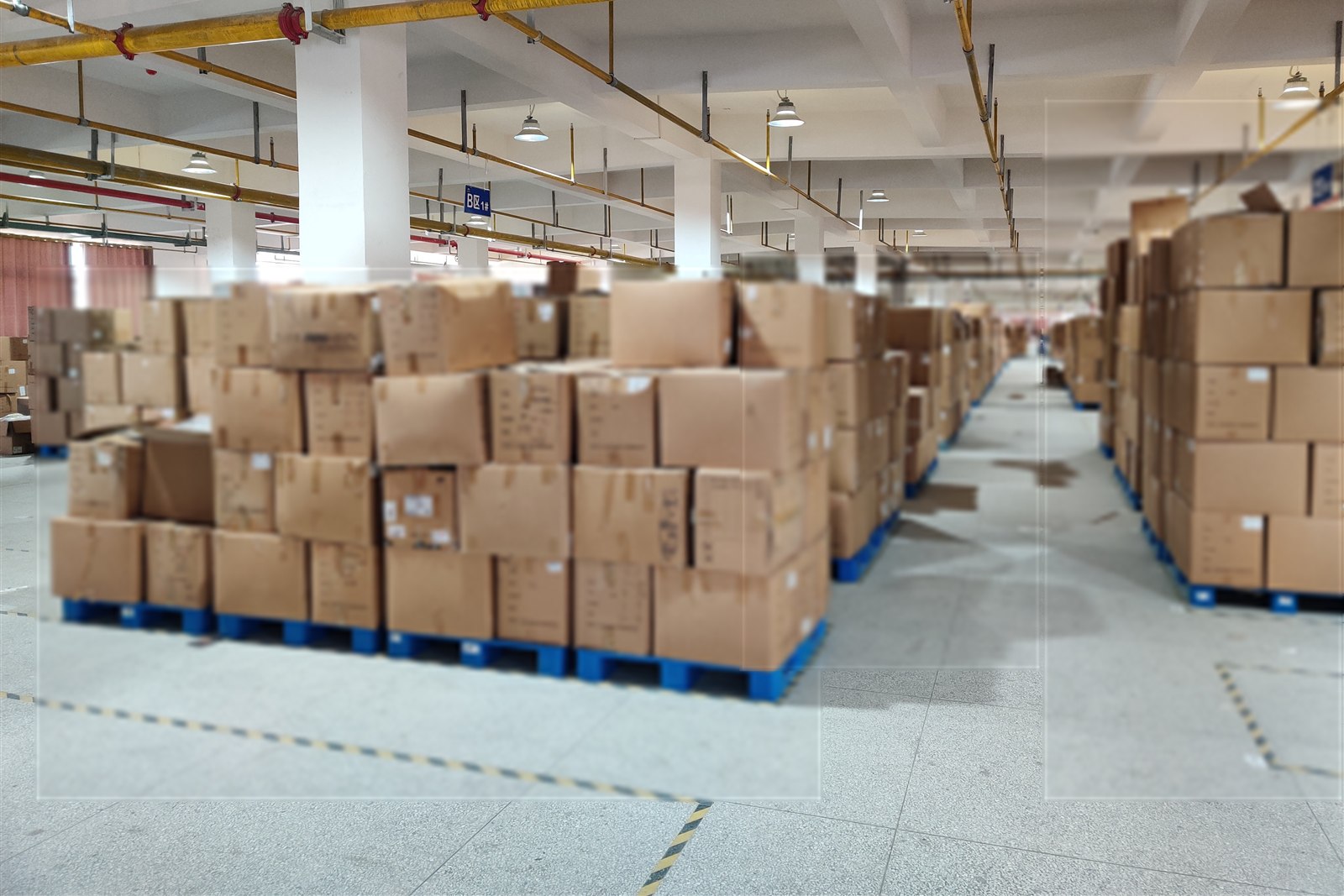
Coordinated supply-chain network
YALIDA combines its main factory with controlled, affiliated and outsourcing resources. The production route is coordinated around the apparel program.
Manufacturing capability, automatic cutting, smart hanging and an own laboratory.
Development, production planning, quality responsibilities and delivery requirements.
Controlled, affiliated and outsourcing resources supporting the manufacturing route.
Effective annual capacity across YALIDA's manufacturing and supply-chain network. It is not a main-factory-only figure.
The main factory remains a distinct part of this model: approximately 80,000 m² of building area, 26 production lines and 24 smart hanging lines. Network capacity should not be read as the output of this campus alone.
OEM / ODM
Start with the product category, development stage, quantity context and expected delivery timing.
Translate the apparel brief into material, construction and production requirements.
Align the sample and production route with the buyer requirement.
Coordinate manufacturing stages, laboratory evaluation and quality checks.
Prepare finished goods and coordinate delivery around the program.
OEM / ODM discussion
Share the category, quantity context and development stage to prepare a focused manufacturing inquiry.
Start an inquiry